Small loans for bad credit
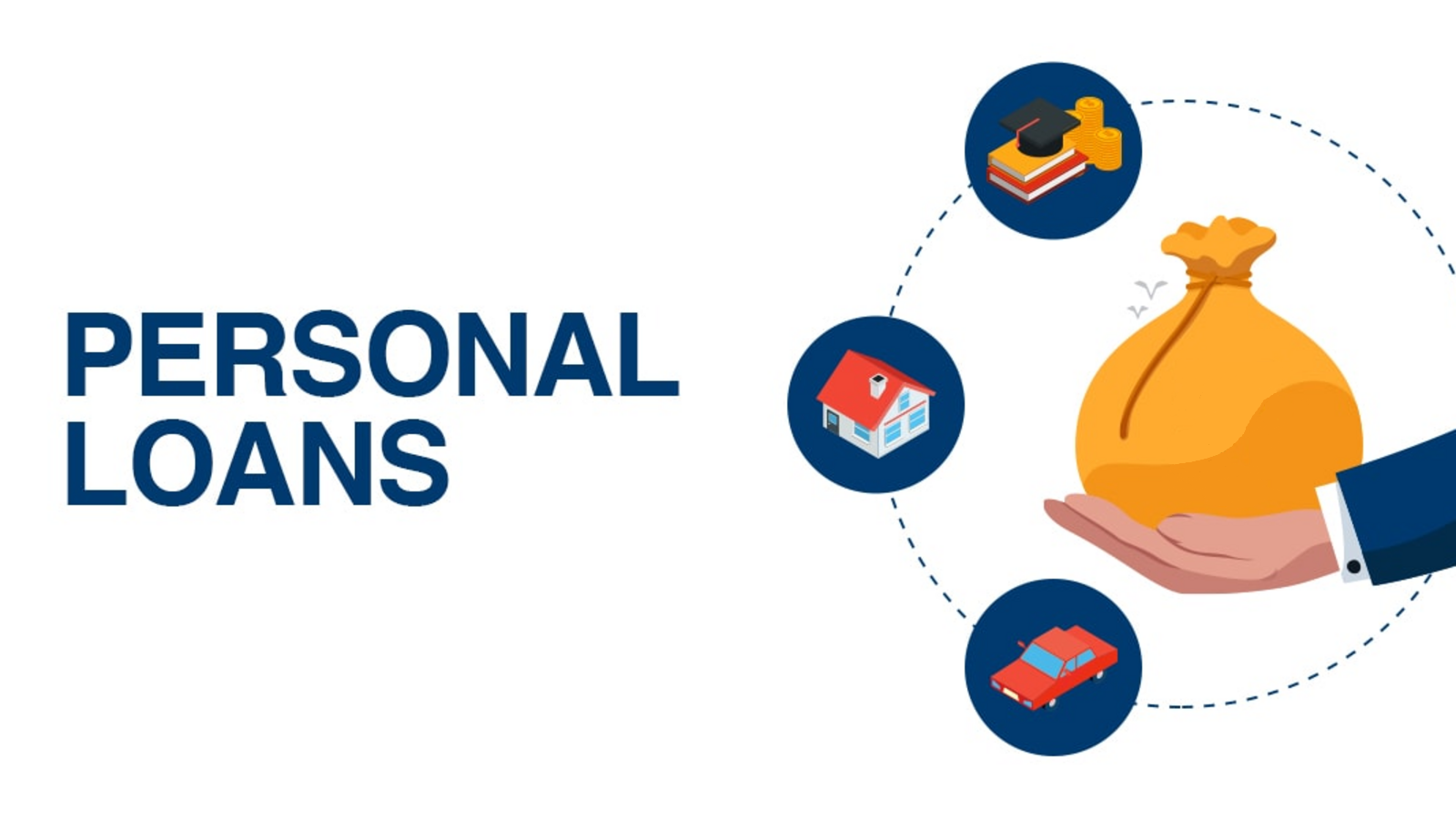

Seek alternative lenders: For individuals burdened with a less-than-perfect credit score, credit unions and online lenders designed specifically for high-risk borrowers present a favorable opportunity. Unlike traditional banks, these institutions consider other factors such as employment history and monthly income to assess eligibility, often offering more lenient terms.
Look into secured loans by pledging collateral. These might include using your vehicle or a savings account to secure the loan. Such options provide reassurance to lenders, reducing their risk and potentially leading to lower interest rates for the borrower. Just ensure the asset you offer doesn't endanger your financial stability.
Consider peer-to-peer lending platforms as a viable option. They connect you with individual investors willing to fund your loan independently, and many take a more holistic approach to your financial situation rather than just your credit score. This personal investment dynamic can often result in more flexible terms and interest rates.
Explore opportunities with a co-signer who has strong credit. Their endorsement can drastically change the landscape of options available to you, providing access to loans that might otherwise be out of reach simply due to the strength of their credit reliability. Just ensure that both parties clearly understand the responsibilities entailed.
Be vigilant about understanding all terms and conditions associated with any loan agreement. Transparency is key, and being informed can save you from potential pitfalls. Scrutinize each offer, focusing on the repayment terms and any hidden fees, to make an informed decision that supports your financial recovery and personal goals.
Understanding Your Credit Score and Its Impact on Loan Approval
Check your credit report regularly. Your credit score directly influences the approval process, determining not only eligibility but also the interest rates you might secure. Generally, scores range from 300 to 850. Scores above 700 are usually considered good, which not only enhances your chances of approval but may also lead to better loan terms. A score below 600, however, may limit your options, but understanding its components can help you improve it over time.
Credit scores typically consist of five key factors: payment history, credit utilization, length of credit history, new credit, and credit mix. Payment history, accounting for about 35% of your score, is crucial. Ensure that you pay bills on time, as late payments significantly damage your score. Keep balances low relative to your credit limits to maintain a healthy credit utilization rate, ideally under 30%.
The length of your credit history also plays a major role, contributing to 15% of your score. While new credit applications add points temporarily, too many can suggest financial instability, so apply sparingly. A diverse credit mix can benefit your score as well, demonstrating that you can manage various types of credit responsibly.
For those with a low score, consider engaging with lenders specializing in bad credit loans. These lenders may have more lenient criteria and flexibility, offering an opportunity to rebuild your credit. Timely repayment of such loans positively impacts your credit report, contributing to long-term financial health.
Approach your credit status as a tool to actively manage and improve. By staying informed and proactive, you can enhance your financial profile and increase your likelihood of loan approval, even with past credit challenges.
Exploring Payday Loans: Pros, Cons, and Alternatives
Consider payday loans only as a last resort due to their high interest rates and short repayment terms. While these loans provide quick cash, they often lead to a cycle of debt if not managed prudently. For example, a typical payday loan might charge an annual percentage rate (APR) of 400% or more, making it a costly option for bridging financial gaps.
Evaluate the pros and cons carefully. The main advantage is accessibility; payday loans do not usually require a credit check, making them available to those with poor credit. Additionally, the approval process is swift, often providing funds within a day.
However, the cons may outweigh the pros. Payday loans can result in excessive fees, increasing your debt burden substantially. Failure to repay on time might lead to spiraling costs as lenders can roll over the loan into a new agreement with additional charges.
Seek safer alternatives when possible. Traditional personal loans from credit unions may offer more favorable terms, including lower interest rates and flexible repayment options. Peer-to-peer lending platforms could connect you with individual lenders under better conditions. Additionally, borrowing from friends or family, if feasible, might provide interest-free support to cover urgent expenses.
Research local community assistance programs which often provide small-dollar loans or grants to those in need, potentially preventing the necessity of high-cost borrowing altogether. Investigate these options thoroughly to make well-informed decisions that support your financial well-being.
How to Secure a Personal Loan with Poor Credit History
Apply for a personal loan from a lender that specializes in working with individuals who have less than perfect credit. These lenders often assess factors beyond your credit score, such as your income and employment stability, offering a more holistic view of your financial situation.
Improve your chances by demonstrating financial responsibility. Providing evidence of consistent income and reducing outstanding debts can strengthen your application. A steady job history also shows lenders your ability to manage monthly payments effectively.
Seek a co-signer with a strong credit history. A co-signer agrees to take responsibility for the loan if you default, which reduces the risk for the lender. This option can lead to better terms and interest rates, making the loan more affordable.
Consider credit unions as they often provide more flexible terms compared to traditional banks. Credit unions prioritize their members and offer loans at competitive interest rates, even to those with lower credit scores.
Research secured loan options where you use assets as collateral. These loans are less risky for lenders, increasing your chances of approval. Common collateral includes vehicles or savings accounts. Ensure you understand the risks, as defaulting can result in loss of the collateral.
Prepare a detailed explanation of your credit history issues. Lenders appreciate transparency and a well-prepared letter can give context to your financial struggles, showing maturity and commitment to improvement. Include any steps you have taken towards credit rehabilitation.
Compare multiple loan offers. Interest rates, terms, and conditions can vary significantly, so examining a range of options ensures you receive the most favorable terms possible. Use online tools to prequalify and receive estimates without impacting your credit score.
- Opt for shorter loan terms to reduce the total interest paid.
- Automatic payments might secure you lower rates and help build a positive payment history.
Finally, limit the number of applications you submit, as each hard inquiry can negatively affect your credit score. Focus on quality over quantity to improve your chances of securing the loan you need.
Utilizing Peer-to-Peer Lending Platforms for Small Loans
Begin by researching reputable peer-to-peer (P2P) lending platforms that have good reviews and a track record for assisting individuals with bad credit. Platforms such as LendingClub, Prosper, and Upstart offer user-friendly interfaces and transparent terms, making them suitable options for small loans.
Benefits of P2P Lending
P2P lending often provides more flexible terms compared to traditional banks. Borrowers may find lower interest rates or more favorable repayment terms that are tailored based on their individual financial circumstances. The application process is usually faster, with many platforms providing pre-qualification tools to see potential rates without affecting credit scores.
How It Works
After registering on a platform, you’ll need to create a loan listing. This typically includes the amount requested, the purpose of the loan, and some financial information. Lenders, who are often individual investors looking for returns, will review your profile. Funding can come from multiple lenders, collectively covering the loan amount.
Ensure your personal and financial information is complete and correct to build trust and attract more potential lenders. After being funded, monthly payments are typically handled through the platform, which distributes the payment to the lenders involved.
Remember to evaluate interest rates carefully and be aware of any additional fees the platform may charge. This enables you to compare offers effectively and choose the one that best suits your needs while maintaining your financial health.
Navigating Credit Union Loans for Those with Low Credit Scores
Start by seeking out credit unions, as they often provide more favorable terms for individuals with low credit scores compared to traditional banks. Becoming a member is typically straightforward and can be done with a small deposit, making these institutions accessible to many.
Research Available Loan Products. Credit unions offer a variety of loan products specifically tailored for members with less-than-perfect credit. Consider personal loans, share-secured loans, and paycheck advances. These options can provide the necessary funds while helping to build your credit score over time.
Discuss your situation with a loan officer. Credit unions are member-focused organizations, and their loan officers are often more willing to work with you. Be open about your financial circumstances and any plans you have for improving your credit. This transparency can aid in crafting a repayment plan that suits your needs.
Take Advantage of Financial Education Resources
Many credit unions offer free financial education resources to their members. Utilize workshops, webinars, and one-on-one counseling sessions to learn more about managing your finances effectively. Improved financial literacy can lead to better financial decisions and, ultimately, an improved credit score.
Build a Strong Payment History
Once you've secured a loan, timely repayments are crucial. Set up automatic payments if possible to ensure you never miss a due date. This not only keeps your account in good standing but also positively impacts your credit score over time. Responsible borrowing from a credit union can be a stepping stone to rebuilding your creditworthiness.
Building a Strategy to Improve Your Credit While Borrowing
Aim to establish a reliable payment history by setting up automatic payments for your small loan. This ensures consistent, on-time payments, which positively impacts your credit score. Over time, consistent payments demonstrate financial responsibility to lenders.
Consider applying for a secured credit card while managing your loan. Secured cards require a cash deposit as collateral, which reduces lender risk and often leads to approval despite poor credit. Use the card for small, regular expenses and repay them in full each month to build credit.
Request a credit limit increase on existing credit lines but avoid increasing your spending. A higher credit limit with the same spending pattern reduces your credit utilization ratio, positively affecting your credit score.
Regularly review your credit report for errors or inaccuracies that may impact your credit score unfairly. Dispute any discrepancies promptly to ensure your report reflects your accurate credit-worthiness.
Look into credit-builder loans, offered by some financial institutions, which are designed specifically to help individuals establish or improve credit. Payments are reported to the credit bureaus, steadily enhancing your credit profile.
Avoid closing old credit accounts, as the length of your credit history contributes to your credit score. Maintain these accounts open and in good standing as you repay your loan.
Engage with a credit counselor if you're struggling to manage your debts. They can offer personalized advice and create a manageable financial plan that aligns with your goals of credit improvement while borrowing.